
Travel journal · 5 minute read
Your first Victoria Falls visit: a practical guide to planning an unhurried adventure
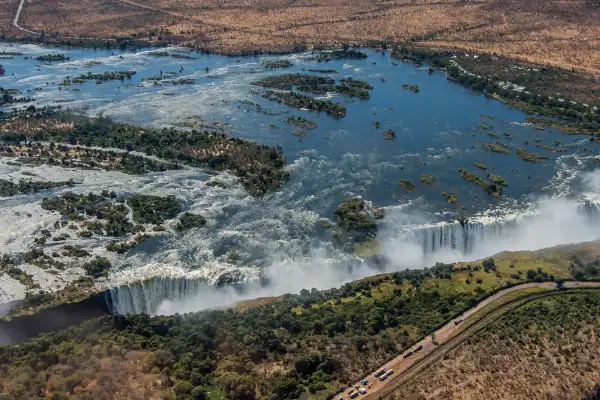
Victoria Falls rewards a little breathing room. It is tempting to treat the waterfall as a quick stop between flights or safari lodges, but a more satisfying visit gives you time to walk, look, rest and return to the river with a different perspective. Start with the experience you want, then build an itinerary around that priority.
This guide offers a practical way to shape a first visit without filling every hour. It is a planning framework rather than a fixed departure or a promise of availability: your final arrangements should reflect current conditions, your travel dates and the pace that suits your group.
Start with the waterfall itself
Make the rainforest walk the anchor of your stay. ZimParks describes Victoria Falls National Park as a protected area with a rainforest sustained by spray from the waterfall. That combination is part of the appeal: the visit is about the atmosphere of the river and forest as much as a photograph at a viewpoint.
Give yourself permission to move slowly. Leave space to pause, protect your camera from moisture and enjoy the changing views. Ask about current path conditions and access before setting out, particularly if anyone in your party has mobility needs. Wear shoes with dependable grip, carry drinking water and follow the instructions of park staff and your guide.
Avoid scheduling your most important visit into the narrow gap between landing and another booked activity. A delayed flight or a slow transfer can turn an exciting first afternoon into a rush. If your arrival time is uncertain, use that day to settle in and make the waterfall your priority the next morning.
Choose your season around your priorities
There is no single experience that represents the Falls all year. Zambia Tourism explains that changing water levels affect both the spectacle and the visibility of the rock formations. Greater flow can bring dramatic spray; lower flow can reveal more of the gorge. Neither description guarantees the conditions on an individual travel date.
Instead of asking only for the best month, describe what matters to you. Do you want to feel the force of the water, spend time photographing the landscape, or make the waterfall part of a broader wildlife journey? Tell your planner which experience would make the trip memorable, and ask what is realistic for your dates.
If a particular activity is essential, confirm its operating conditions before arranging the rest of the visit. River activities can depend on water levels and local decisions. Keep an alternative in mind so that a change in conditions does not leave the whole day feeling lost.
Build a three-day rhythm, then adapt it
For a relaxed starting point, think in three parts: arrival and orientation, the waterfall, and an optional wider adventure. These are planning blocks, not a packaged tour or a claim that everything can be fitted into three calendar days.
Use the arrival block for your transfer, check-in and a gentle introduction to the area. Confirm the next day's collection arrangements and leave time for a meal. If you have energy left, choose one light experience rather than committing to several unfamiliar meeting points.
Use the second block for the rainforest and a deliberately quieter afternoon. A gap in the itinerary is useful: it gives you room to dry off, look through photographs or simply sit with the experience. Travellers who enjoy a busier pace can ask about an additional activity, but it should be a choice rather than an obligation.
Keep the third block flexible. Depending on your interests and onward travel, it might become a wildlife excursion, more time near the river or an unhurried departure. Ask for realistic transfer and border allowances before adding an excursion that crosses into another country.
Make transfers part of the plan
A good itinerary connects its experiences clearly. Before confirming arrangements, write down your arrival airport, flight details, accommodation and onward destination. Make sure everyone is referring to the same collection point and understands which transfers are included.
Ask how you will recognise your driver, where you should wait and how to get help if your flight changes. Keep the confirmed arrangements somewhere you can read without relying on an internet connection. For your departure, work backwards from the flight's check-in requirements rather than guessing how much time a final activity will leave you.
If you are considering a cross-border visit, confirm the entry requirements that apply to your passport and route with the relevant authorities. Do not assume that an itinerary used by a friend will have the same requirements for your group.
Pack for a walk, not just a photograph
Keep your day bag manageable. Useful basics include comfortable walking shoes, drinking water, sun protection and a way to protect valuables from spray. A spare layer can make the rest of the day more comfortable after a wet walk.
Check with your accommodation or tour organiser before buying specialist items. Ask what is supplied, what you need to bring and whether there is a convenient place to leave belongings that should stay dry. Tell your planner about children, mobility needs or other practical requirements early, when the schedule can still be adjusted.
Photography is easier to enjoy when your equipment does not dominate the walk. Choose a manageable setup and keep it protected between viewpoints. Allow moments when the camera stays in the bag; the sound and scale are part of what you came to experience.
Ask for a clear proposal
Send your planner a short brief: approximate dates, number of travellers, arrival and departure points, your preferred pace and the experiences you care about most. If your dates are flexible, say so. If your budget has a firm ceiling, explain what it needs to cover.
Ask the proposal to distinguish accommodation, transfers, activities and any separately payable charges. Confirm cancellation conditions, collection arrangements and what happens if an activity cannot operate. Treat every price and availability statement as something to confirm for your own travel dates.
You can explore the site's Tours & Safaris section or use Plan your trip to start a conversation with Afro Honeyguide Adventures. The most useful itinerary is one that fits your priorities and leaves enough room to enjoy being there.
Further reading
Official park information: https://www.zimparks.org.zw/victoria-falls-national-park/
Destination background and changing water levels: https://www.zambiatourism.com/destinations/waterfalls/victoria-falls/